
CAHR Professional Development Awards HighlightsAmanda Yonkman
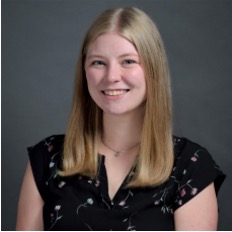
Amanda Yonkman is a 2nd-year PhD student at Simon Fraser University. Her research focuses on comorbidity burden in older women living with and without HIV. Thanks to the support from a CAHR Professional Development Award, Amanda was able to participate in a five-day recruitment drive for the BC CARMA-CHIWOS Collaboration (BCC3) study in Prince George, BC. Funding allowed her to help recruit women living with HIV into the study and engage directly with community partners and researchers outside of her home in Vancouver.
The CAHR Professional Development Awards are designed to offer support for the next generation of HIV researchers seeking to build their skills in the field of HIV research. Awards are available across CAHR’s four tracks (basic, clinical, social sciences, epidemiology and public health) as well as community-based research.
Without support from CAHR, Amanda would not have been able to participate in this opportunity and gain hands-on experience in a rural setting.
“Although I had assisted with study recruitment in Vancouver before, this was my first chance to do so outside of my own community,” said Yonkman. “I found navigating the logistics of research in a rural setting to be an interesting challenge. My team was fortunate to be able to collaborate with local community members and organizations who helped us reach our study goals.”
Through this experience, Amanda acquired new skills in recruiting participants, collecting data, and conducting community-based surveys that gather information related to participants’ personal histories and mental health. She also gained a better understanding of the challenges faced by women living with HIV in rural and northern communities.
“My conversations with study participants were eye opening; the landscape of the HIV epidemic looks very different in smaller cities compared to the Lower Mainland,” she explained. “Women often face higher levels of stigma related to their diagnosis, as well as financial hardships and food and housing instability. That said, I was very impressed by the levels of support and care provided by our community partners in Prince George, despite their own challenges with limited resources and space.”
Thanks to this experience, Amanda is now interested in working for organizations in smaller communities that provide culturally- and community-driven approaches to care.
“The trip taught me a lot, and I’m grateful that I was able to attend.”