
Mark Wainberg Fund HighlightsQing Rui (Simon) Qu
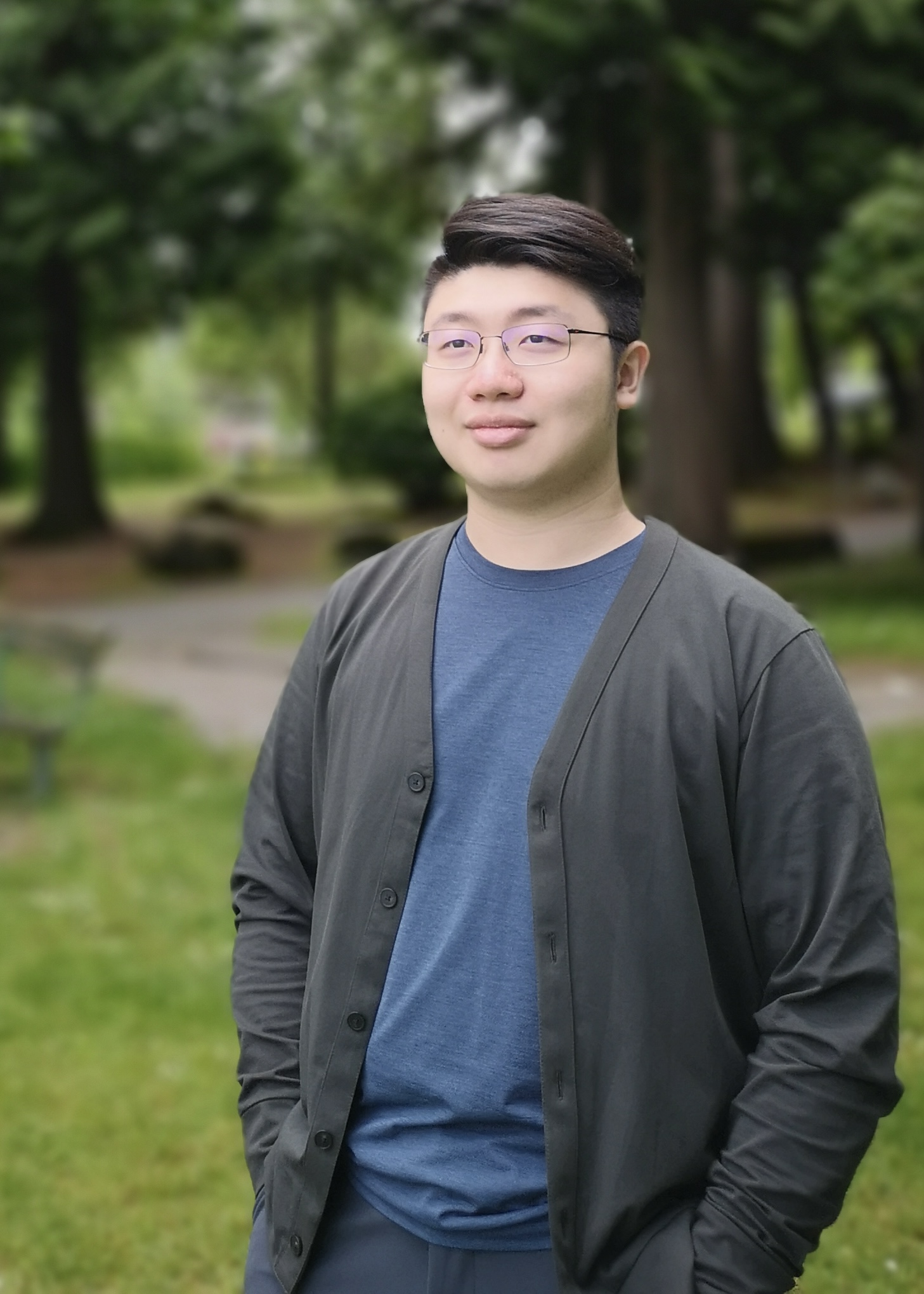
Qing Rui (Simon) Qu is a second-year MSc candidate in the Leslie Dan Faculty of Pharmacy at the University of Toronto, supervised by Dr. Reina Bendayan. His research focuses on HIV virology, antiretroviral drug toxicity, and inflammatory mechanisms at the blood-brain barrier. Thanks to support from the CAHR Mark Wainberg Fund, Simon was able to attend the 35th Annual Canadian Conference on HIV/AIDS Research (CAHR 2026) in Winnipeg. Funding allowed him to present a poster exploring the potential of nucleoside reverse transcriptase inhibitor (NRTI) combinations to reduce inflammation and endoplasmic reticulum (ER) stress in a human blood-brain barrier model, and to discuss his findings with clinicians and scientists from across Canada.
The Mark Wainberg Fund was established in 2017 to assist Canadian basic science researchers – working in the realm of HIV virology – to present their work at accredited meetings in Canada and internationally. The program aims to continue Dr. Wainberg’s vision of fostering innovative HIV research and knowledge sharing and is made possible thanks to the support of ViiV Healthcare ULC.
Without this award, Simon would have missed the opportunity to bring his research into a wider scientific discussion at CAHR 2026. Support from the Mark Wainberg Fund allowed him to exchange ideas with researchers and clinicians studying HIV treatment and neuroinflammation, explore the broader implications of his findings, and build connections that could inform his future work.
“Working in community HIV testing and outreach NGOs first sparked my interest in understanding the side effects of antiretroviral treatments. Attending CAHR 2026 helped me reconnect that motivation with the research I am doing today. Presenting my work and hearing perspectives from across the HIV research community encouraged me to think more broadly about what our findings could mean for people receiving treatment. I am grateful to the Mark Wainberg Fund for making this experience possible and supporting my development as an early-career researcher.”
Through this experience, Simon strengthened his ability to communicate scientific findings clearly and confidently to people from different backgrounds. Discussing his poster with basic scientists, clinical researchers, and community members helped him explain both the mechanisms he studies and their broader relevance to HIV treatment. He also expanded his understanding of current developments in HIV therapeutics and neuroinflammation, gaining new perspectives on how basic and clinical research can inform one another.
“CAHR reminded me how much there is to learn from people who approach HIV research from different perspectives. These conversations helped me think more carefully about the questions I ask in the laboratory and how I communicate their importance. I left with renewed motivation to contribute to research that supports the long-term health and quality of life of people living with HIV.”
This experience reinforced Simon’s interest in pursuing research at the intersection of HIV pharmacology and neuroinflammation. Connecting with researchers who share these interests opened the door to potential collaborations and gave him a clearer sense of how he can contribute to the field as he continues his training. It also strengthened his commitment to understanding how antiretroviral therapies affect the brain and how this knowledge could inform safer treatment strategies for people living with HIV.